Detect early. Respond faster. Stay safer.
Fire alarm system installation in Hyderabad
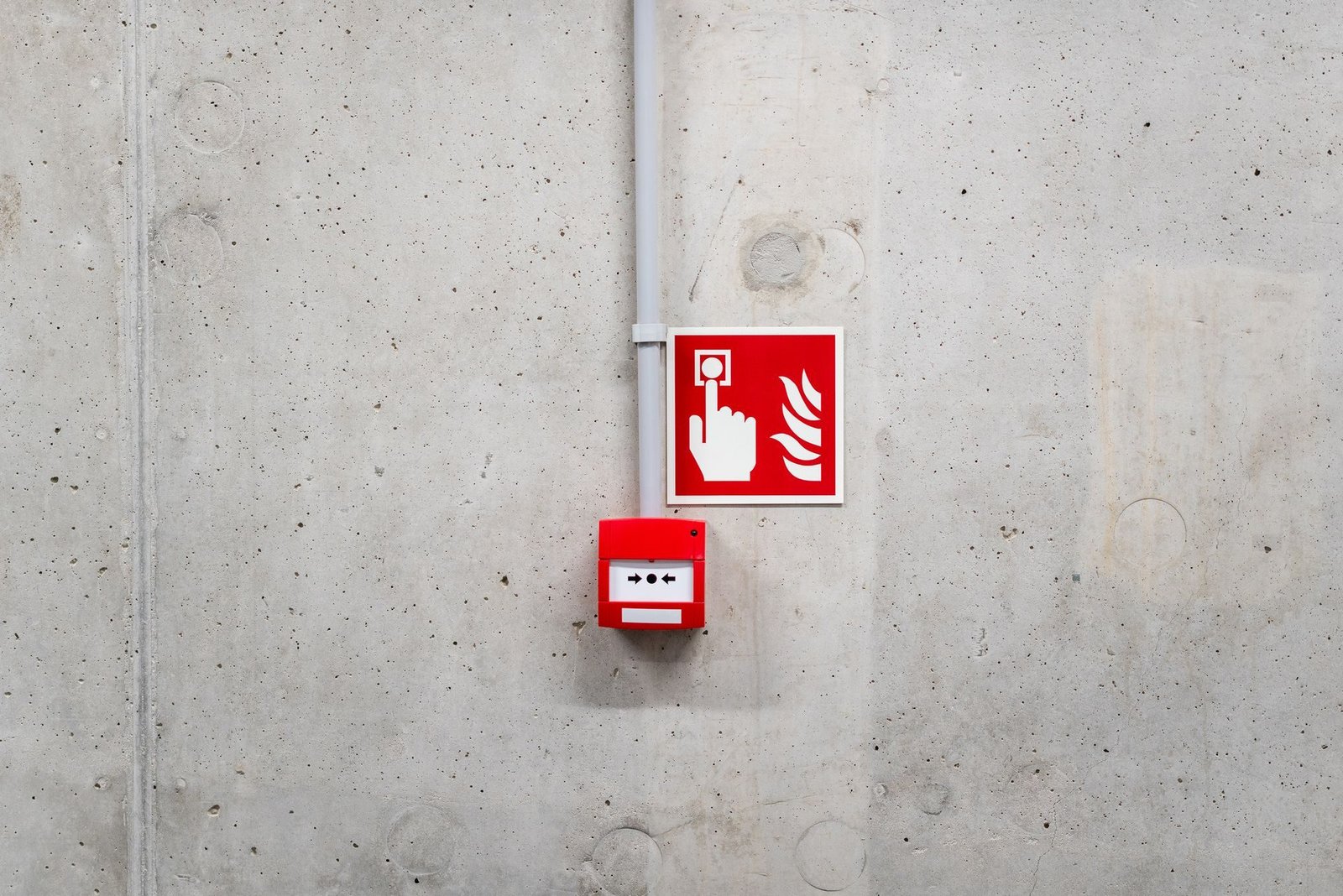
Early warning that works when it is needed: detectors chosen for each room, call points where people can reach them, hooters everyone can hear, and a panel that shows exactly where the alarm began.
- Early fire detection
- Safer people & property
- Zone-wise alerts
- Ongoing support
- Quick response
- Expert guidance
- No obligation
Get your free fire safety assessment
Tell us about your requirement and our team will get in touch.
7+ yrs
In business
5,750+
Installations
4.9/5
Google rating
2019
Serving since
Complete fire alarm solutions
From risk review to a tested system
A fire alarm system watches for smoke and heat, and sounds hooters and strobes the moment something is detected, so everyone in the building knows to leave.
It only works well if the right detector is in the right place. Smoke detectors suit cabins, corridors and server rooms; heat detectors suit kitchens and electrical rooms, where smoke detectors would raise false alarms.
- Risk-area review
- Device mapping
- Detectors by room
- Hooters and call points
- Panel programming
- Trigger testing
What goes into a fire alarm system
The assessment decides the panel type and how many of each device your building needs.
Conventional panel
Devices wired in zones; the panel shows which zone is in alarm. Simple to run and cost-eff...
Addressable panel
Every device has its own address, so the panel names the exact detector or call point that...
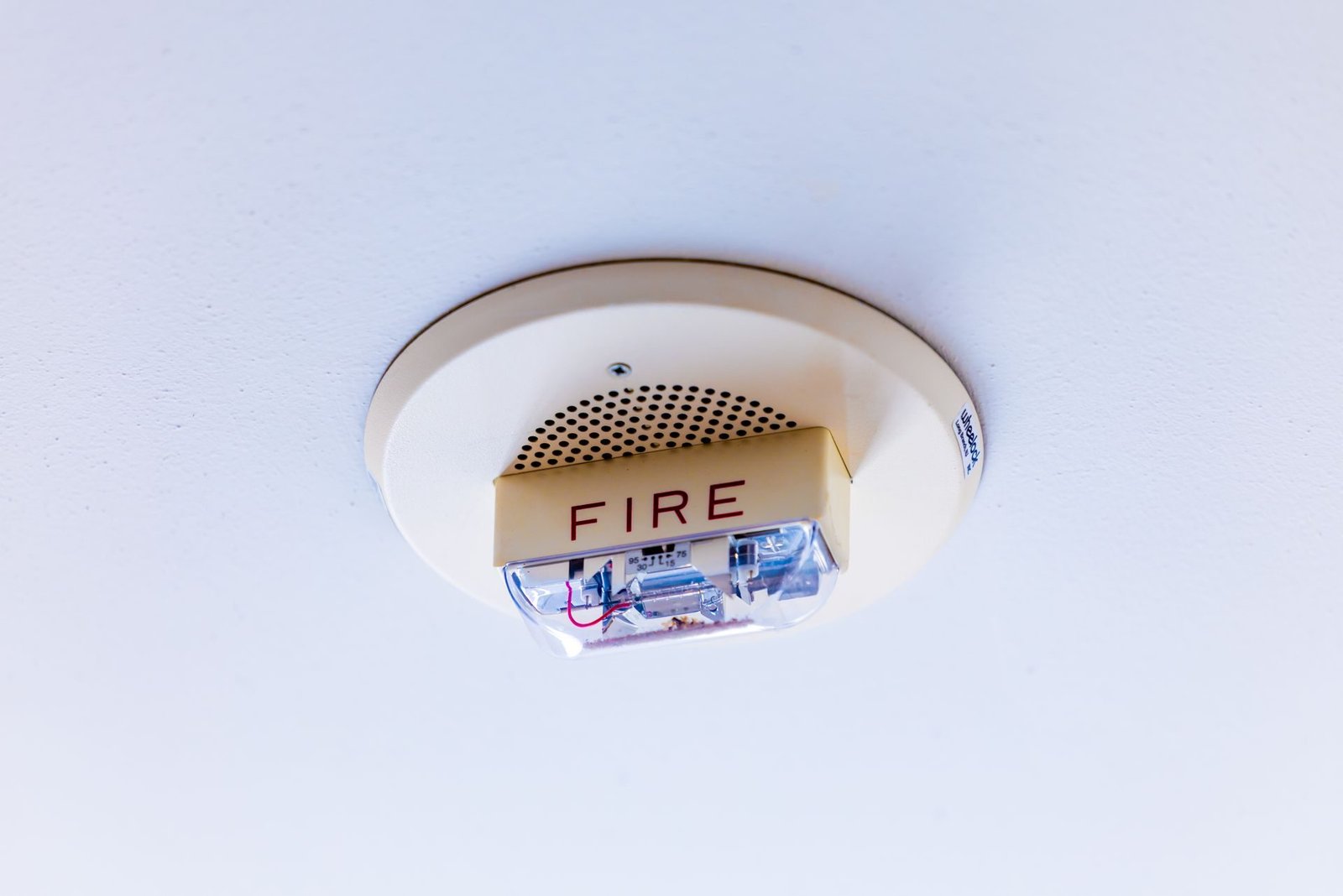
Smoke detectors
Sense smoke early, before flames spread. The standard choice for most occupied rooms.
Heat detectors
React to a rise in temperature rather than smoke, so they do not false-alarm on cooking or...
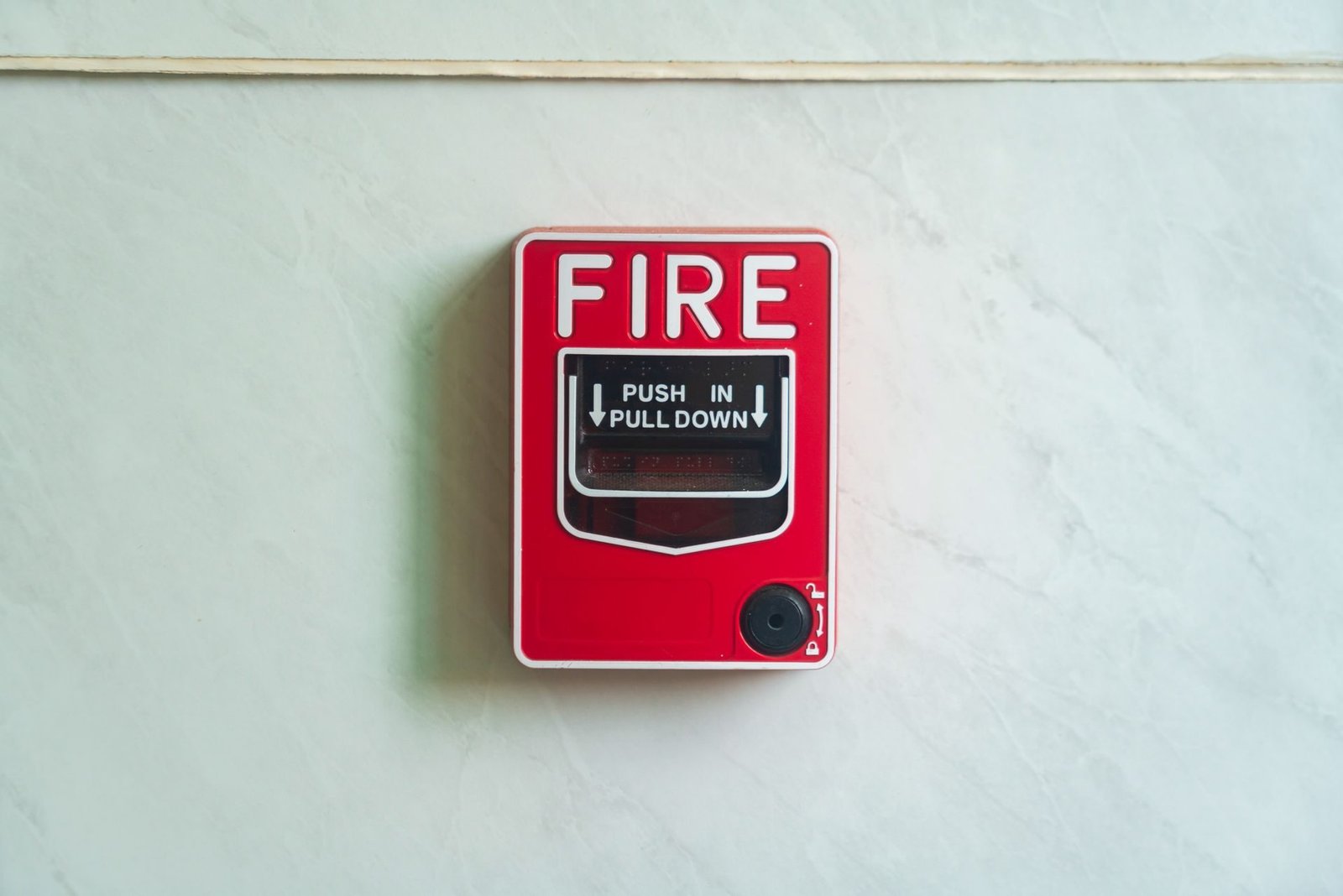
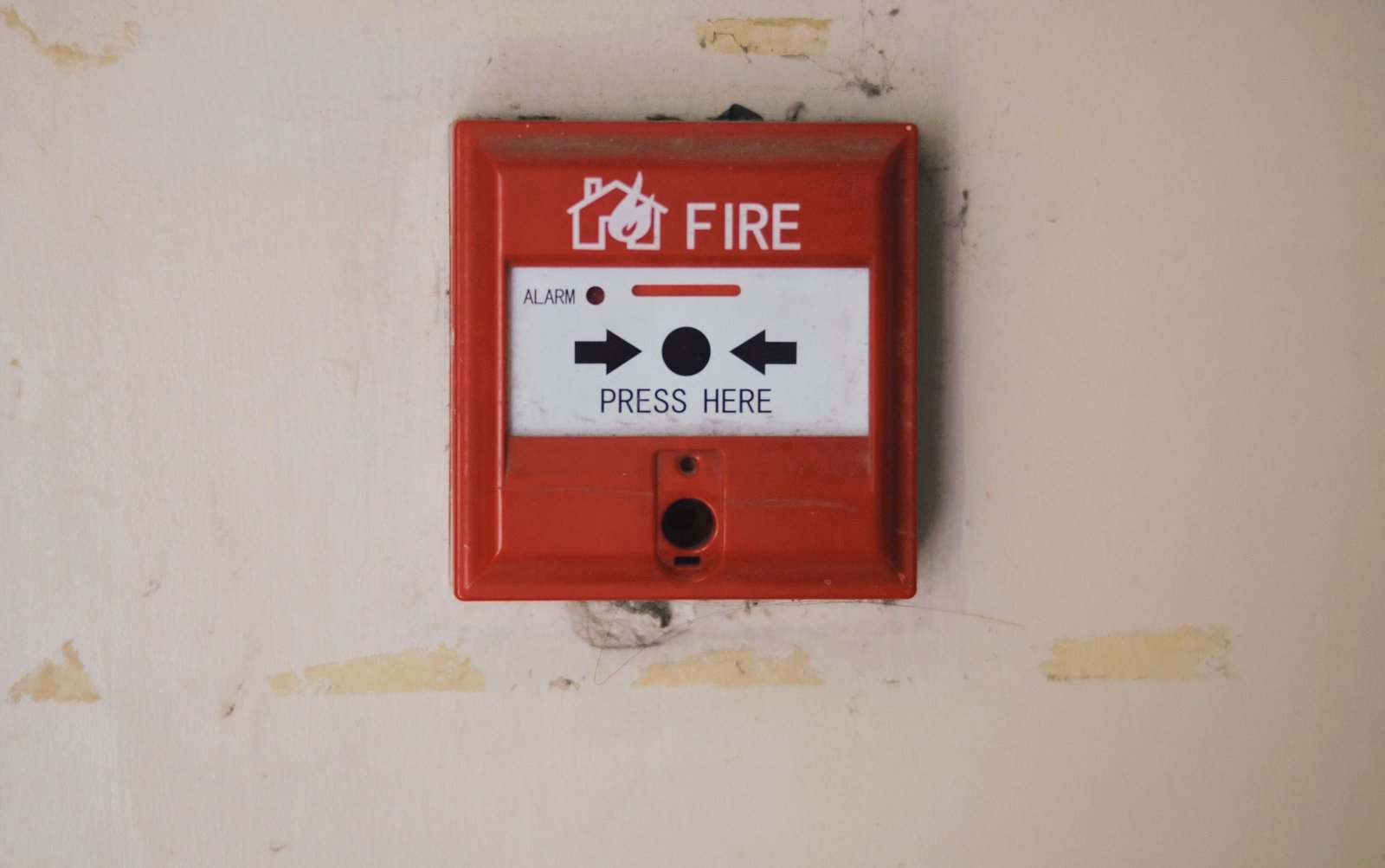
Manual call points
Break-glass or resettable points that let anyone raise the alarm by hand.
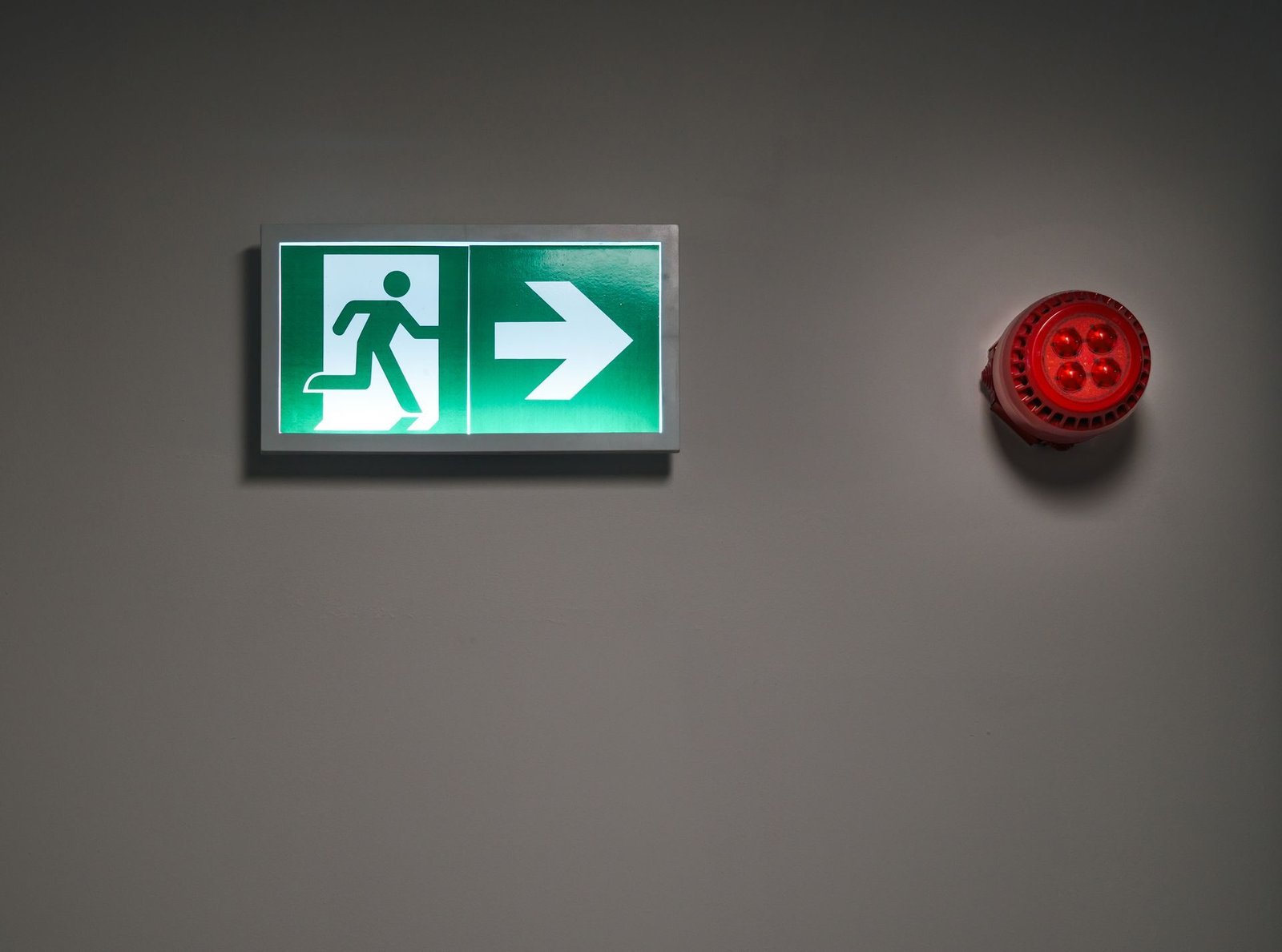
Hooters and strobes
Sounders heard across the floor, with flashing strobes where noise is high or hearing is i...
Response indicators
An LED outside a closed room that lights when a detector inside it triggers.
Zone mapping
Zones laid out by floor and area, named on the panel and labelled on the devices.
Fire alarm systems for every kind of building
Solutions tailored for every kind of site.
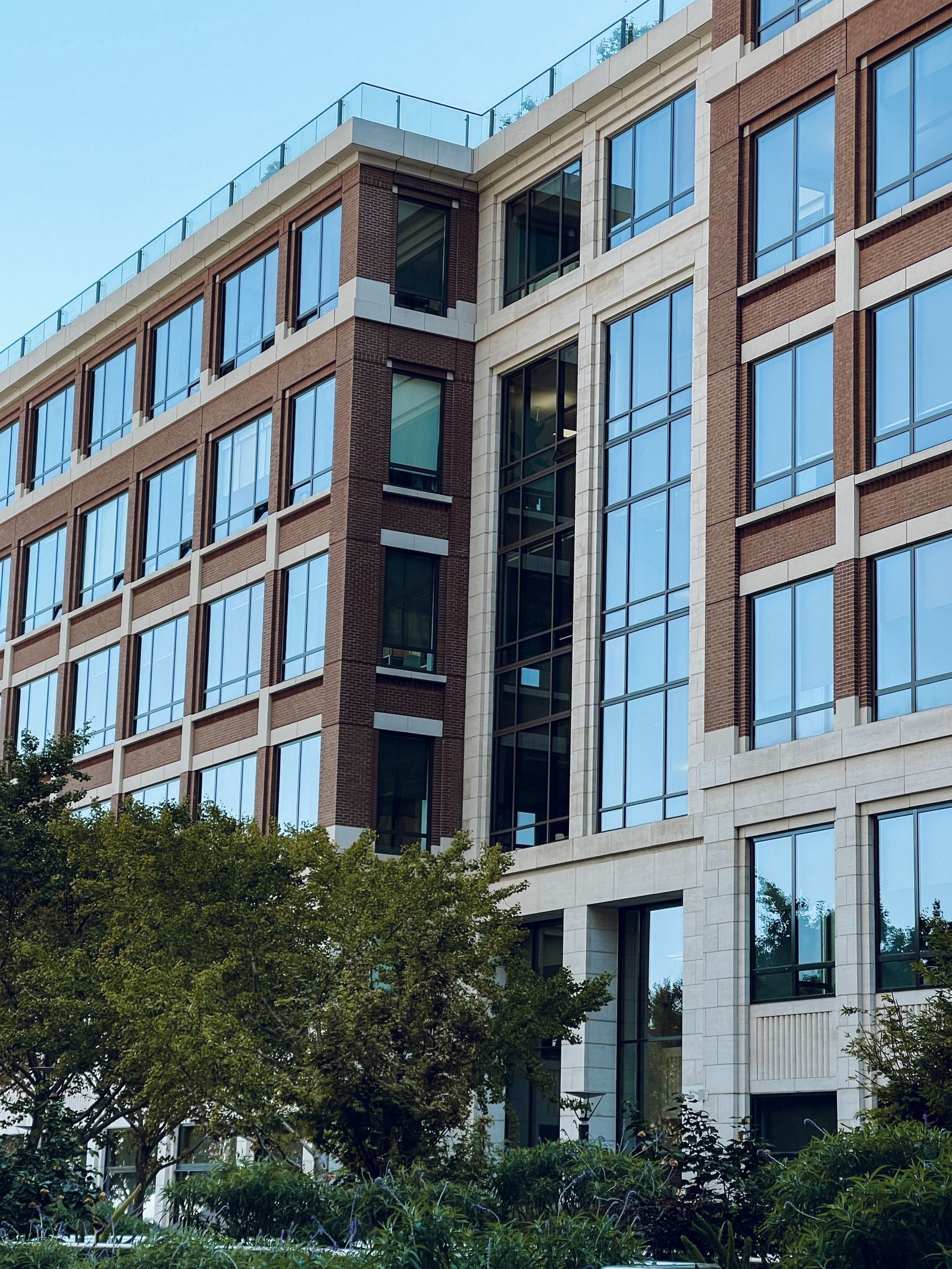
Commercial
Offices, shops and showrooms

Industrial
Factories and warehouses
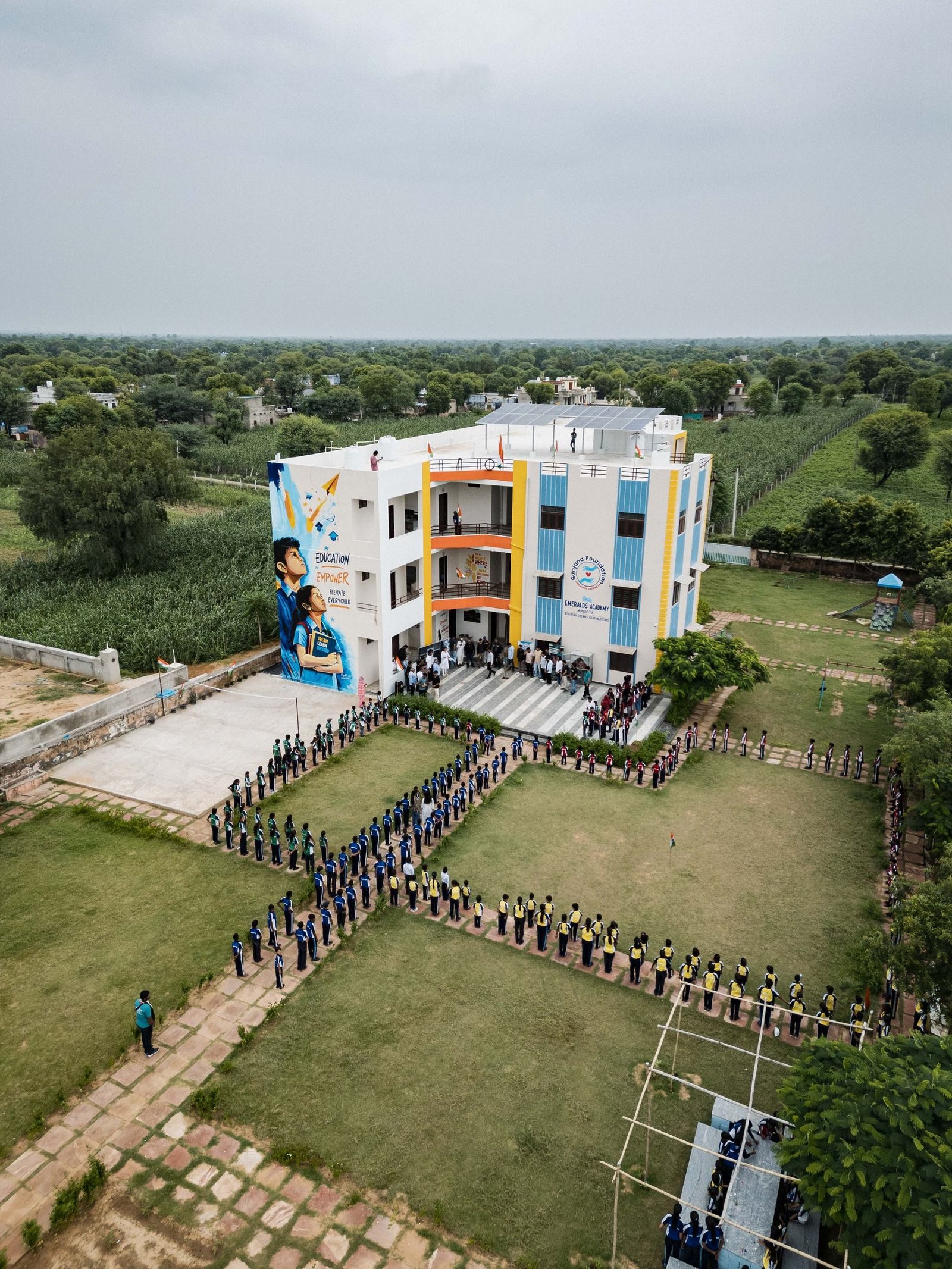
Educational
Schools, colleges and hostels
Healthcare
Hospitals, clinics and labs

Residential
Homes, apartments and villas
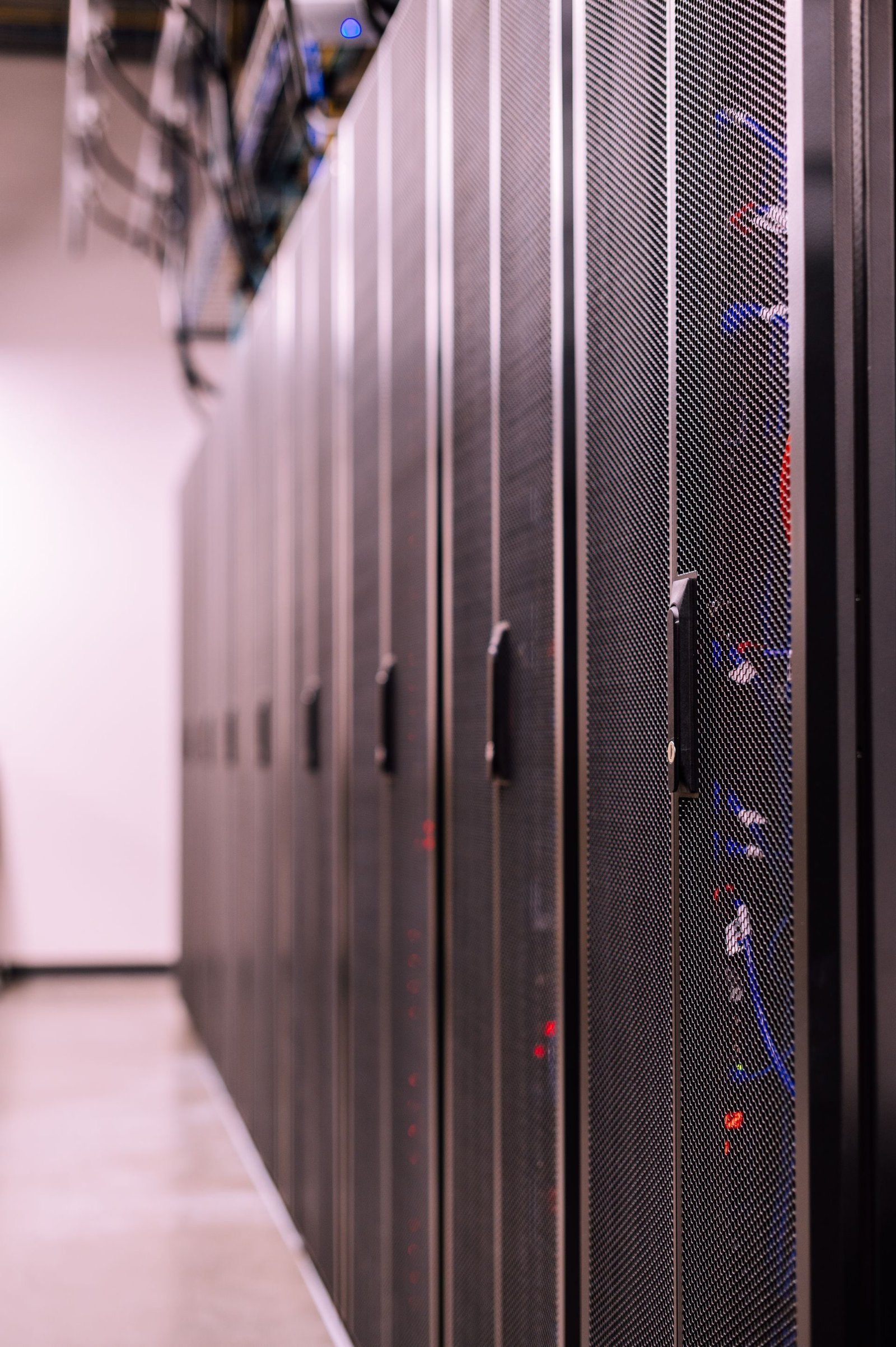
IT & data centres
Server rooms and critical infrastructure
From your first call to a tested system
A simple and transparent process from start to finish.
- 01 Requirement You tell us the building, its use and any system already in place.
- 02 Risk-area review We walk the floors: kitchens, electrical rooms, stores, exits, ceilings.
- 03 Device mapping Detectors, call points, hooters and zones marked on the layout, with a written quote.
- 04 Installation Cabling routed, devices fixed and everything labelled.
- 05 Panel programming Zones or device addresses set up and named on the panel.
- 06 Trigger testing Every detector and call point triggered and checked on the panel.
- 07 Handover Staff shown how to read the panel, silence, reset and report faults.
Why choose Dotin?
What you can hold us to
- Free fire safety assessment Devices are planned on your floors, not from a standard kit.
- Detectors placed by risk The right type in each room, which also cuts false alarms.
- Itemised written quote Panel, every device and cable run listed before work starts.
- Every device tested Nothing is handed over until it has been triggered and seen on the panel.
- Own installation team Our technicians cable, fix, programme and label the system.
- Maintenance and AMC Regular checks so the system still works in year three.
Built for a safer tomorrow
Fire alarm brands we work with
We supply and install these brands and suggest the panel and devices that suit your building.



How a fire alarm works
Four steps between the first smoke and a safe exit
- 1 Detect Smoke or heat detectors sense a fire early, or someone presses a manual call point.
- 2 Alert Hooters and strobes sound across the building so everyone knows to evacuate.
- 3 Locate The panel shows the zone or exact device that triggered, and response indicators mark the room.
- 4 Respond Staff go straight to the right floor, check the cause and guide people out.
Which system is right for you?
Match the system to the building
A starting point. The fire safety assessment confirms it.
A shop or small office
Conventional panel
A few zones cover the space, and the system is simple to run and maintain.
A multi-floor office
Addressable panel
Names the exact device, so staff do not search a whole floor.
A hospital or clinic
Addressable + response indicators
Pinpoints the room quickly where evacuation takes longer.
A school or college
Conventional or addressable
Depends on the number of blocks and floors; zones follow the buildings.
A factory or warehouse
Zoned panel, heat + smoke
Heat detectors in dusty or hot areas, smoke detectors in offices and stores.
An apartment block
Conventional, zoned by floor
Covers common areas, lift lobbies, electrical rooms and parking.
Not sure which panel you need?
We look at the site and recommend — the assessment is free.
Fire safety assessment
Fire safety assessment
Answer five quick questions about your building. It helps us plan the visit and bring the right information.
Complete your safety
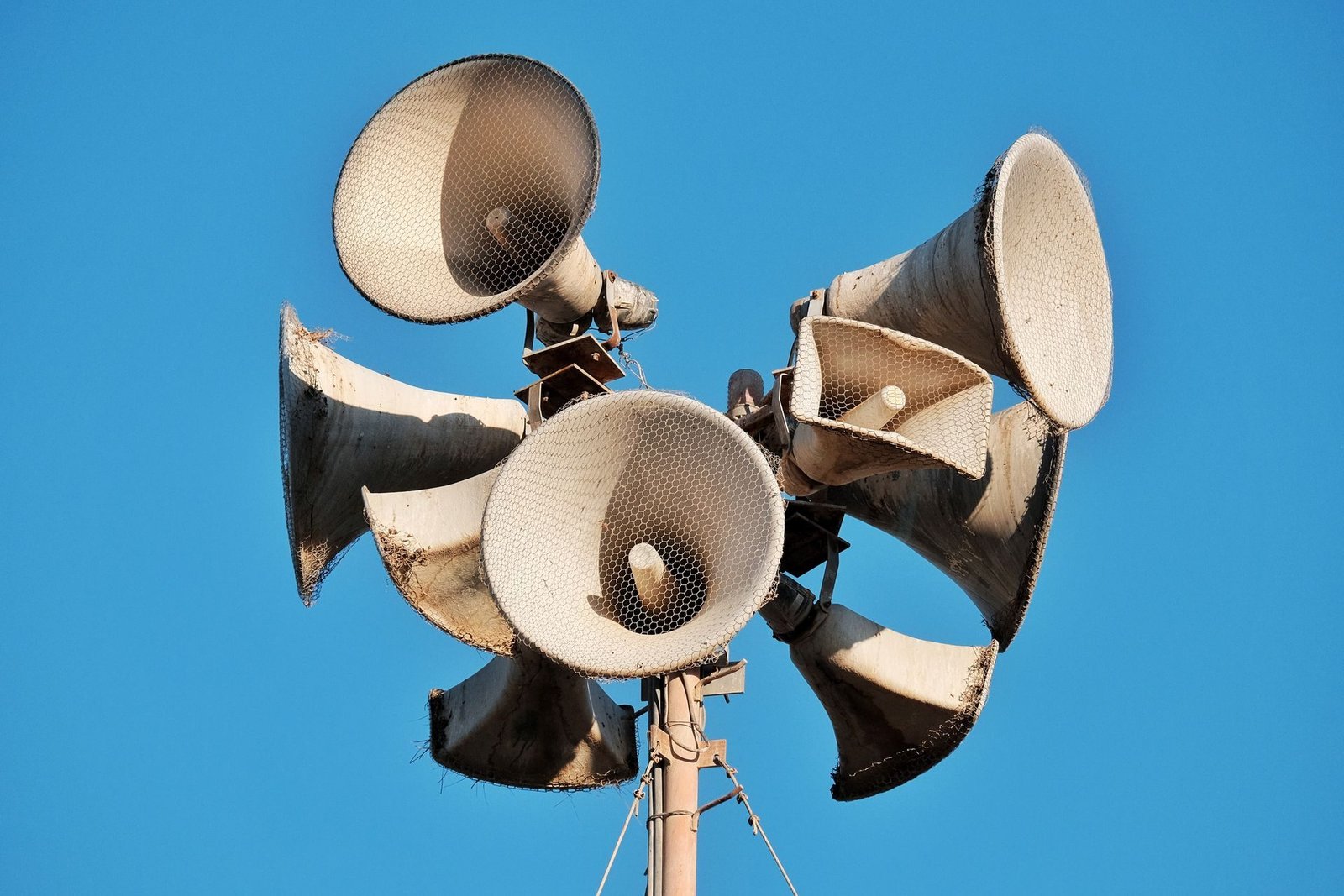
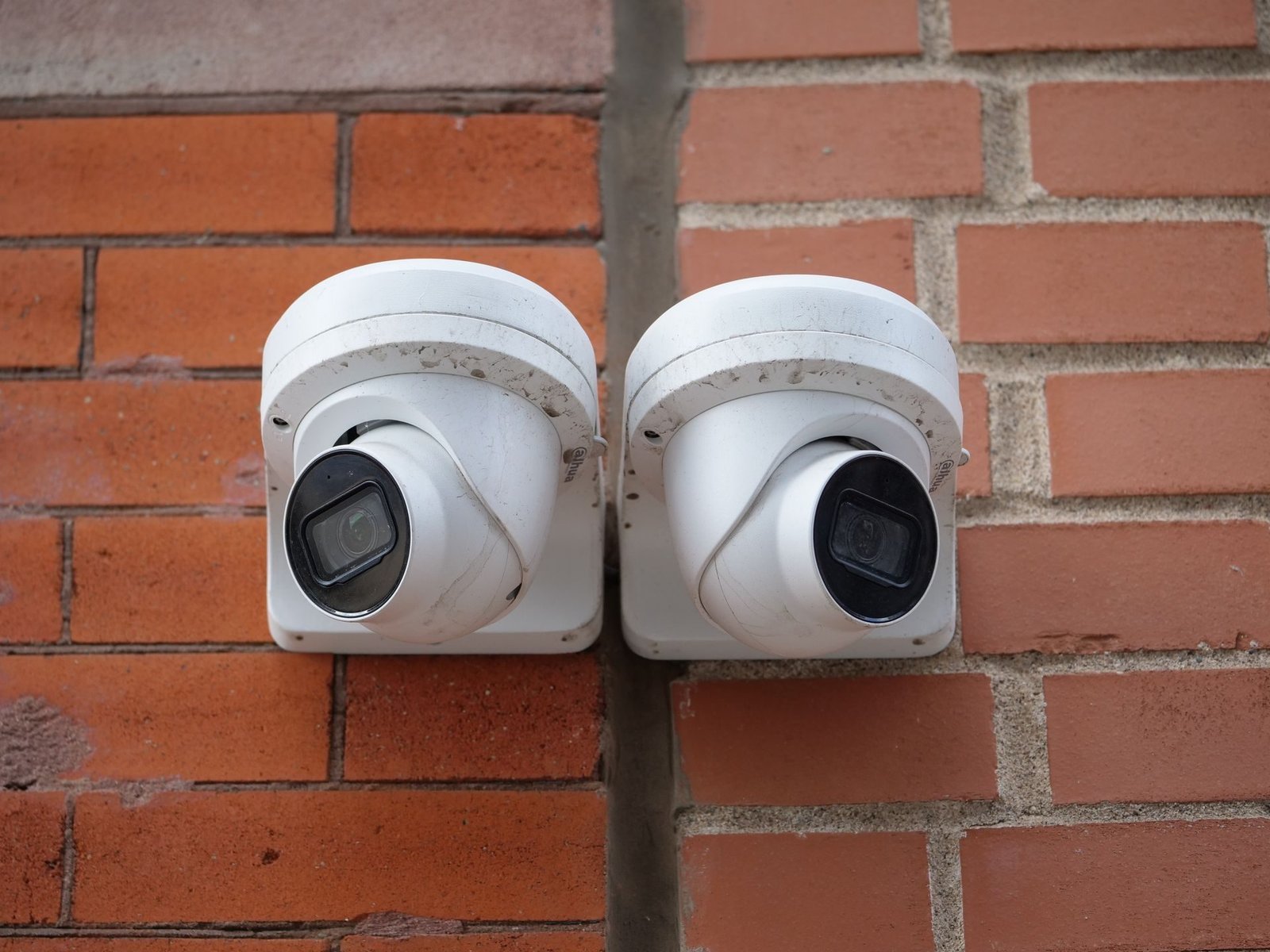
Often installed with fire alarms
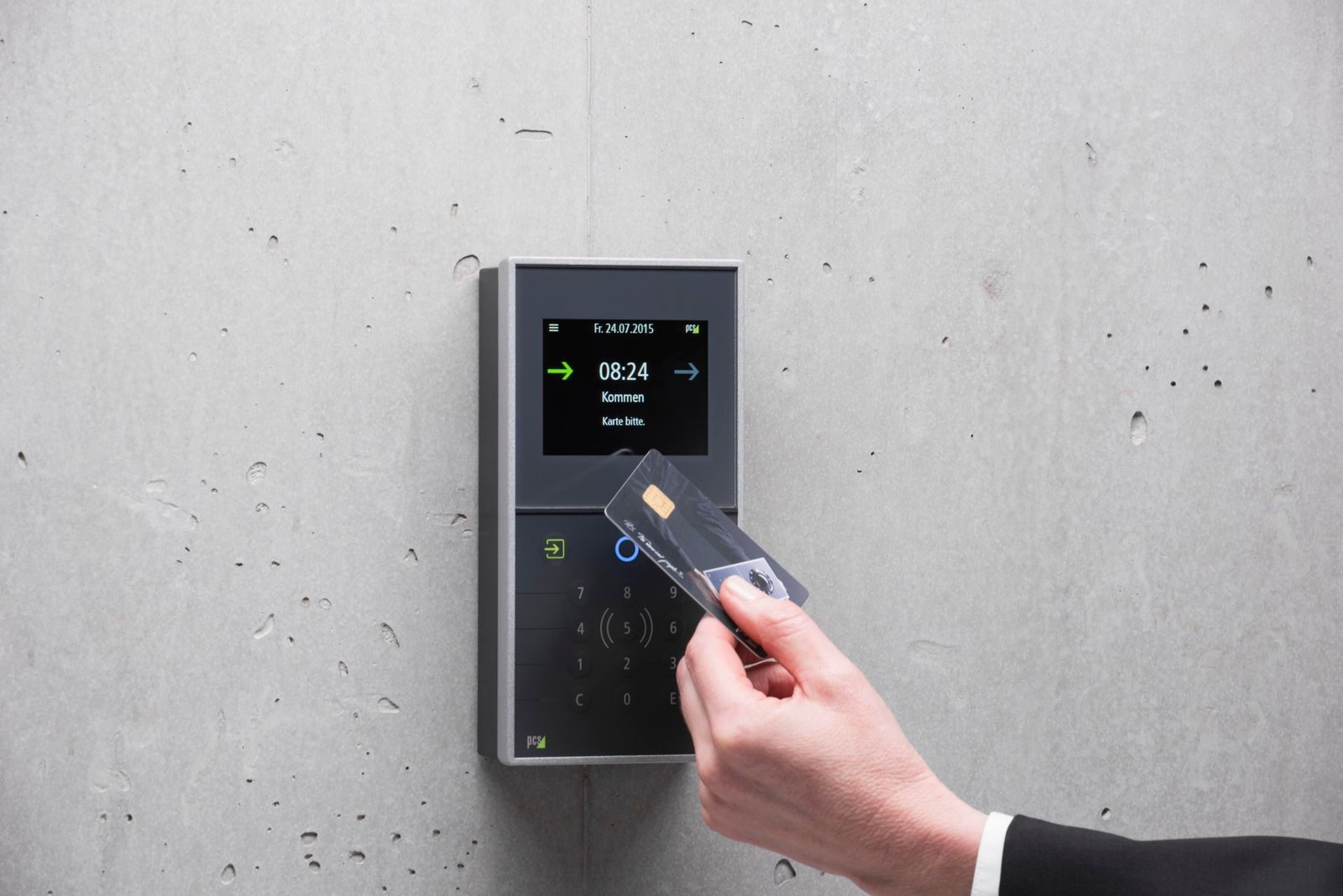
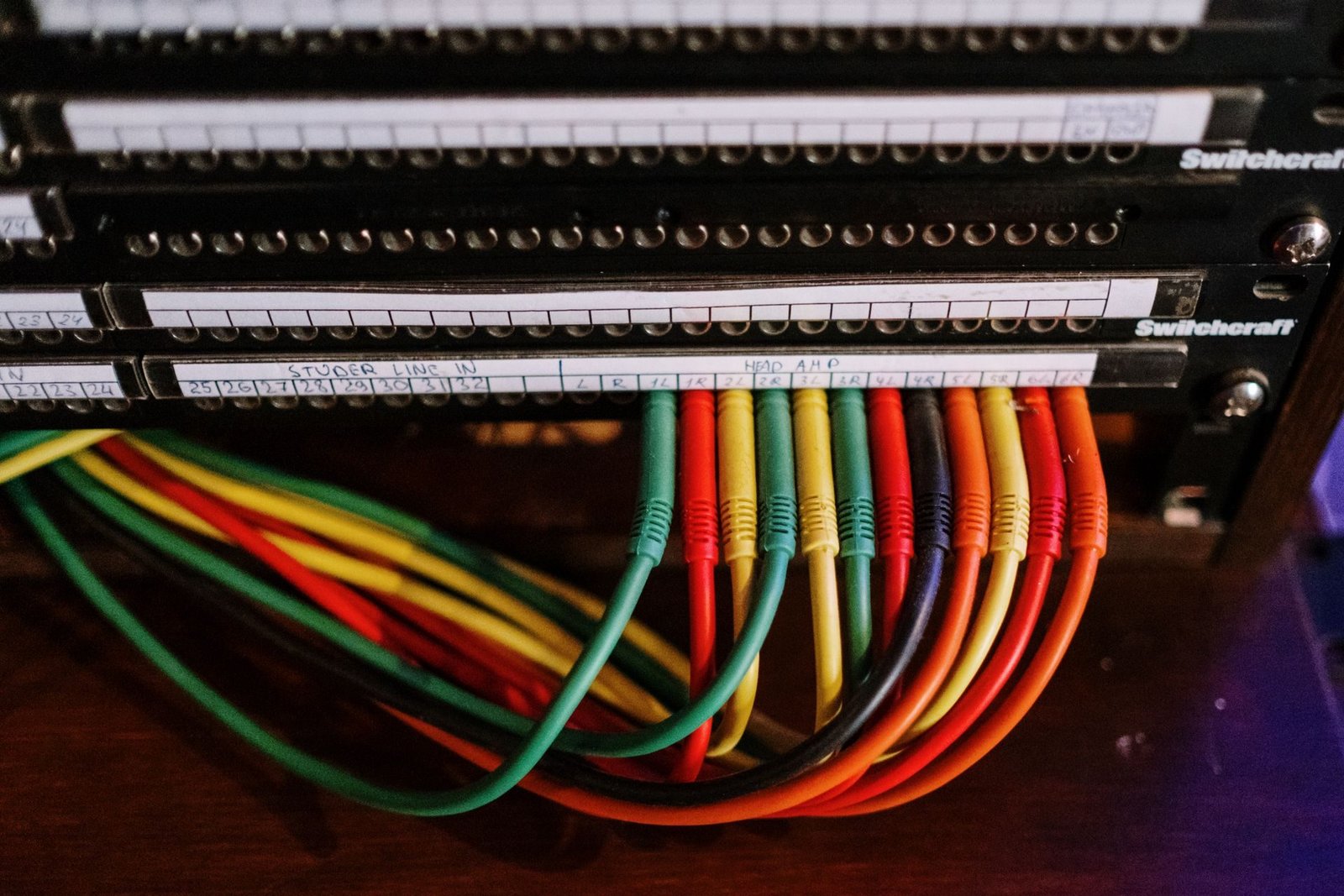
Local service
Fire alarm installation across Hyderabad
We assess, install and maintain fire alarm systems across Hyderabad and Secunderabad, from our office in Toli Chowki.
Shop No 15, 2nd Floor, Mawin Arcade, 7 Tombs Rd, Beside Al Saba Hotel, Toli Chowki, Hyderabad
Frequently asked questions
Fire alarm systems, answered
What is the difference between a conventional and an addressable fire alarm?
A conventional panel tells you which zone raised the alarm, such as "second floor". An addressable panel identifies the exact detector or call point. Conventional suits smaller buildings with a few zones; addressable suits larger or multi-floor buildings where finding the source quickly matters.
Which detector should go in a kitchen or electrical room?
Usually a heat detector. Smoke detectors in kitchens react to normal cooking, and dusty stores or plant rooms can set them off too. We choose the detector type for each room during the assessment.
Will your installation get my building a fire NOC?
We cannot promise that. Whether a building needs a fire NOC, and what the system must include, depends on the building type, height and use, and is decided by the fire department. Confirm the requirements with the authorities or your consultant; we install the alarm system to the design you need.
Will the fire alarm work during a power cut?
The fire alarm panel has its own backup batteries, so detection and hooters keep working when mains power fails. Batteries age, so they should be checked on every maintenance visit and replaced when they no longer hold charge.
How often should a fire alarm system be tested?
We suggest a simple test by your staff at regular intervals and a maintenance visit at least twice a year to clean detectors, check batteries and test hooters. Your building rules or insurer may ask for more.
Can you add detectors to our existing fire alarm?
Often, yes. We check the existing panel, its spare zone or loop capacity and the condition of the wiring first. If the panel cannot take more devices, we explain the options before quoting.
Do you maintain fire alarm systems you did not install?
Yes. We service existing systems — detector cleaning, battery checks, hooter tests and panel fault diagnosis — as a one-off visit or under an AMC.
Make your property safer today
Is your building ready to raise the alarm?
Tell us about the building. We will review the risk areas, map the devices and give you an itemised quote — free, with no obligation. Statutory requirements should be confirmed with the fire department.
- Quick response
- Expert guidance
- No obligation