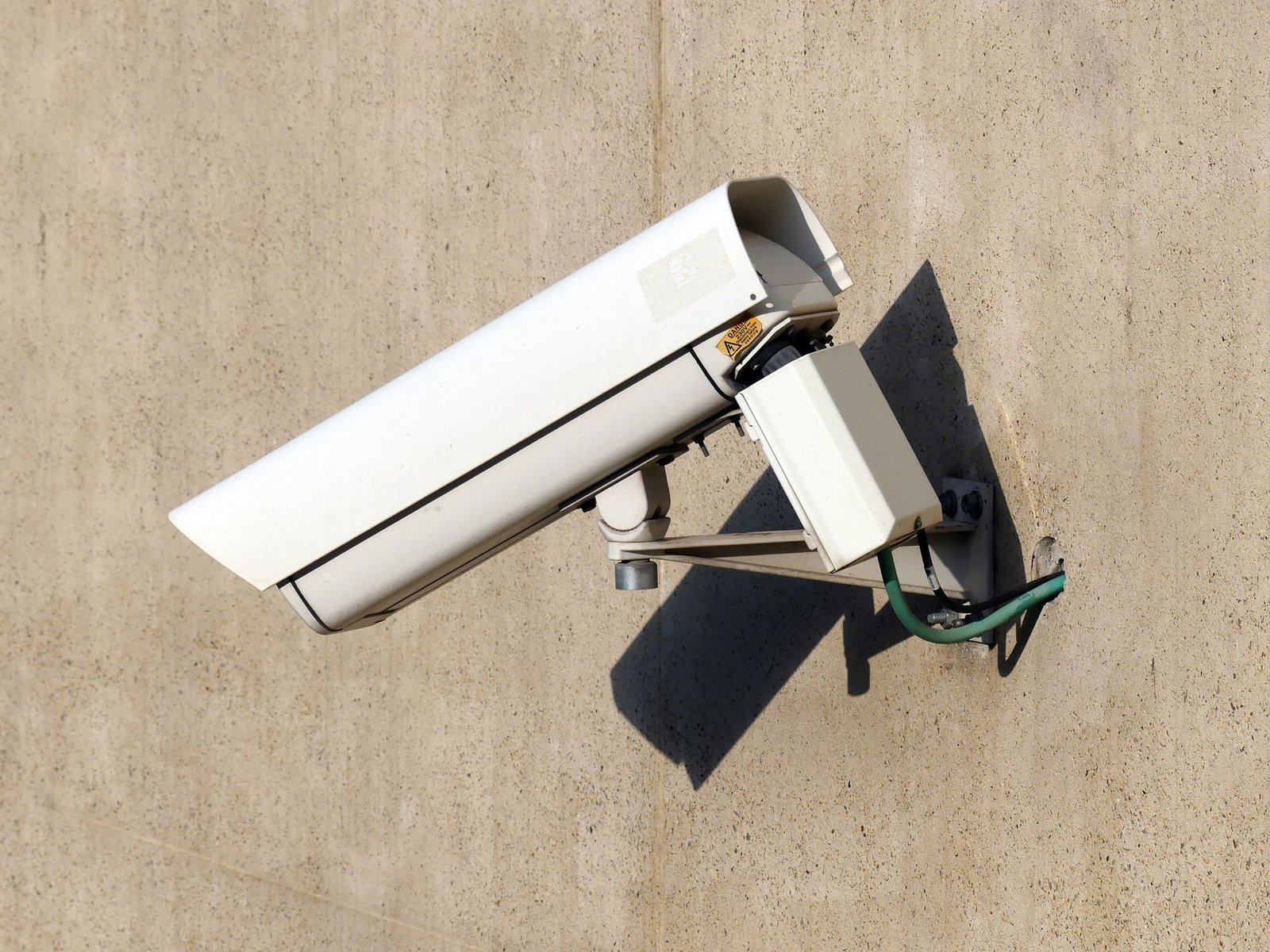
A DVR records analog cameras over coaxial cable. An NVR records IP cameras over network cable. That is the whole distinction, and everything else follows from it.
When a DVR is the right answer
If coaxial cable is already in the walls, a DVR lets you upgrade cameras without touching the cabling. That single fact makes it the cheaper option for retrofits by a wide margin — rewiring an occupied building is most of the cost of a job.
Modern HD analog cameras reach 5MP, which is more than enough for most sites. The technology is not the compromise people assume it is.
The DVR limitation that matters
Each camera needs its own coax run plus a power cable back to the recorder. At scale that is a lot of cable, and every run has two failure points instead of one.
When an NVR earns its cost
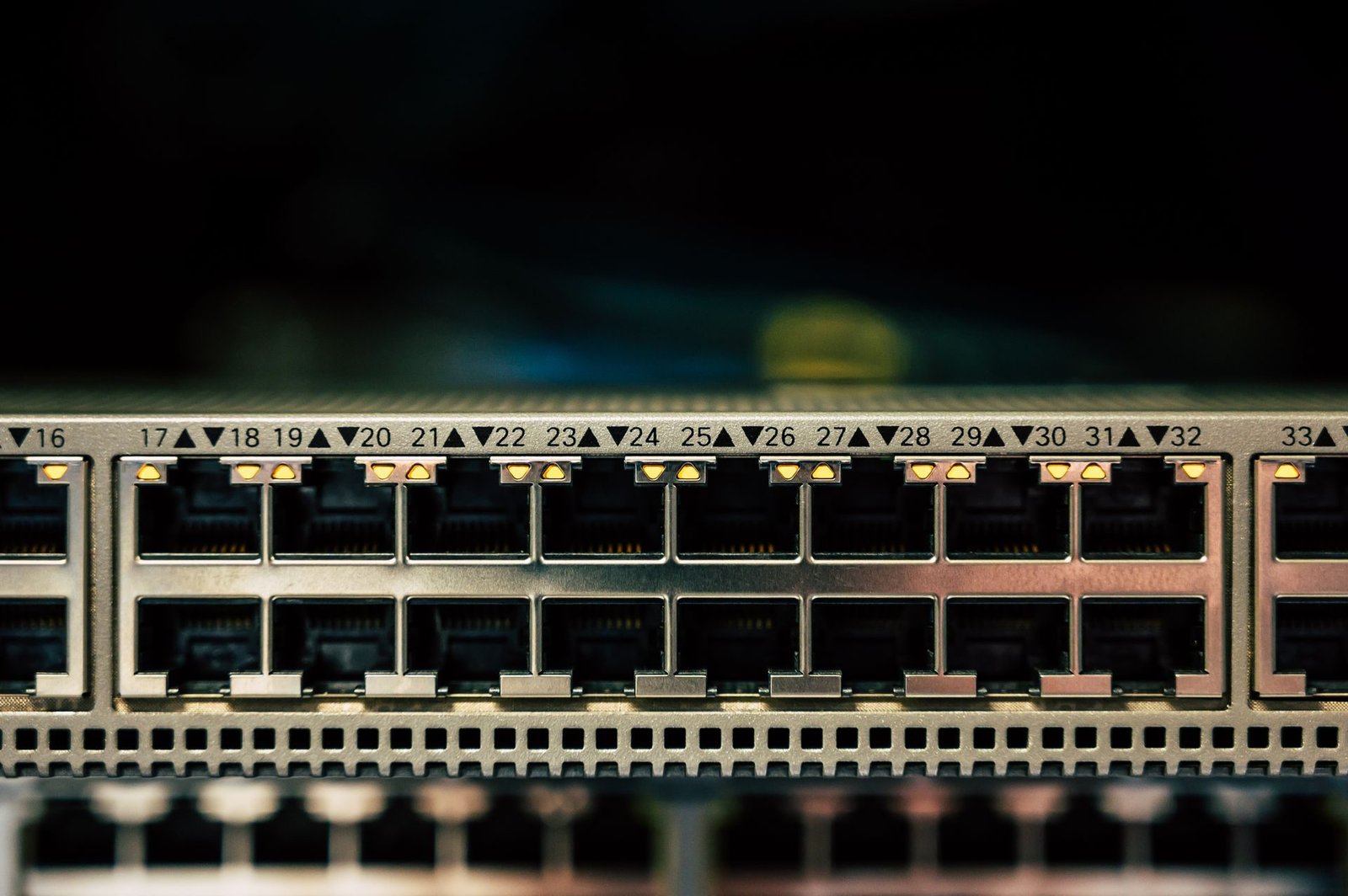
IP cameras take power and data over a single Cat6 cable from a PoE switch. On a new build, or any site above roughly sixteen cameras, that halves your cable count and simplifies every future addition to patching one port.
You also get a higher resolution ceiling, onboard analytics like line-crossing and human detection, and the ability to put a camera anywhere the network reaches rather than anywhere you can pull coax to.
The practical rule
Existing coax and under sixteen cameras: DVR. New construction, or a site you expect to expand: NVR. Somewhere in between: a hybrid XVR accepts both, and lets you migrate gradually instead of in one expensive step.